A Brief History of Val d'Isère
01.
In the beginning
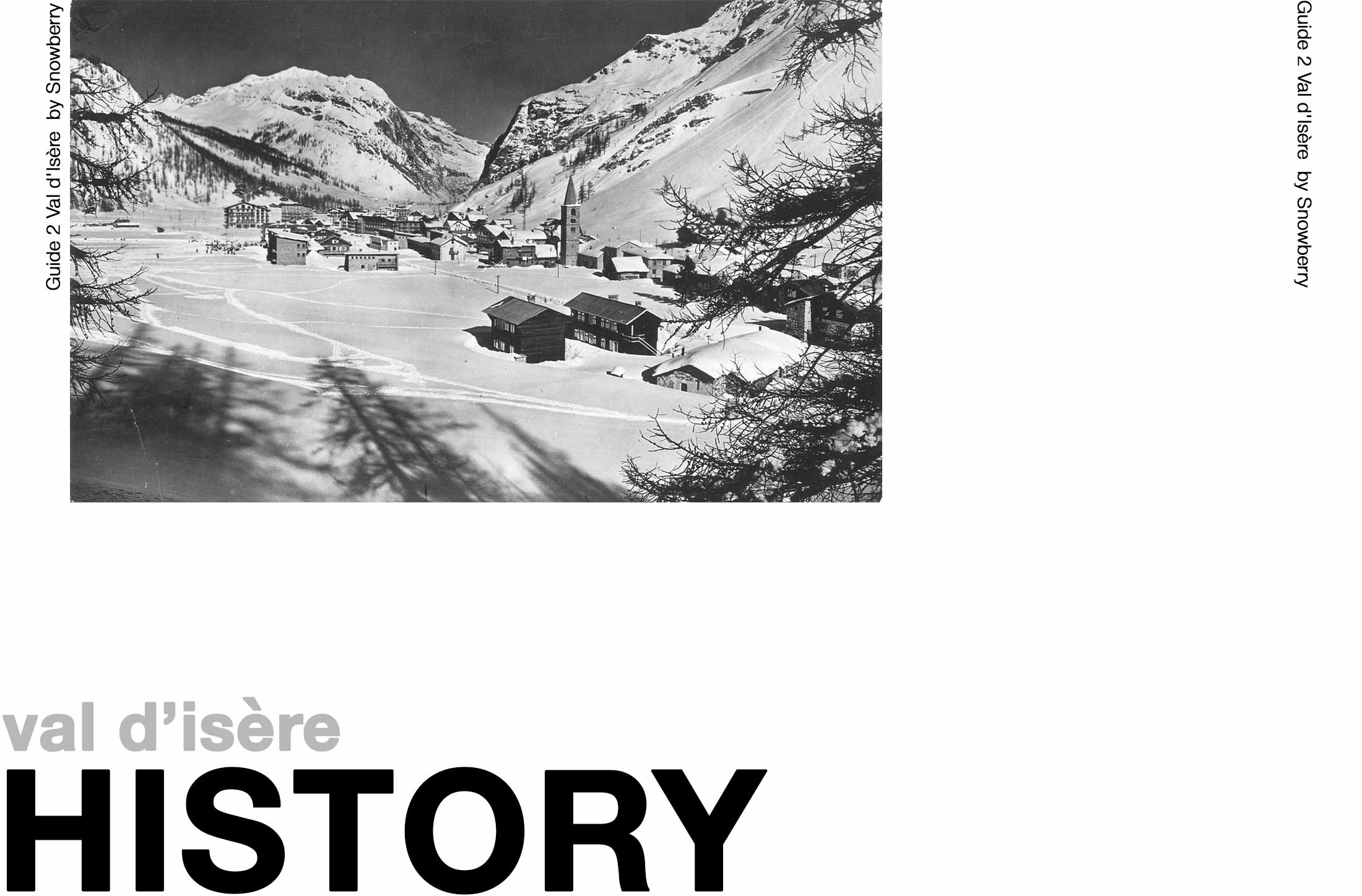
When you're standing in the main street on a busy February afternoon, with thousands of skiers everywhere, buses coming and going, and the terraces packed with people enjoying a beer in the sunshine, it's difficult to imagine that for most of its history this was just a tiny village at the end of a very long road.
There are traces of people living here as far back as the late Iron Age, although it must have been a pretty bleak place to live back then. Moving on a millenium or so, there are records of Bonnevies and Morisses living here in the early 1300s – these famillies still live in Val d’Isère more than 700 years later!
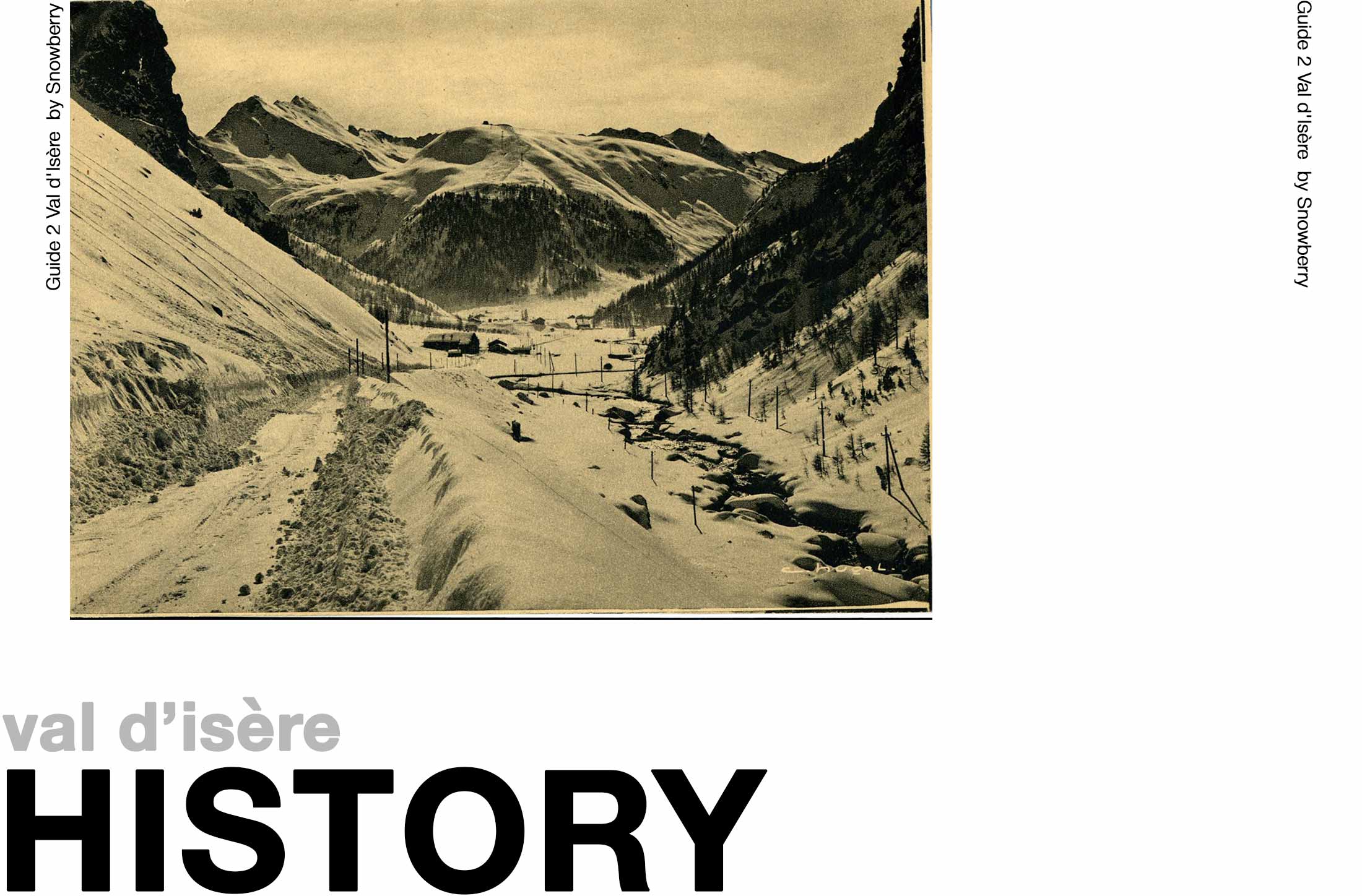
For centuries the "road" down to Bourg-Saint-Maurice – the one all those thousands of tourists travel every weekend – wasn't really a road at all, just a rough mountain track that became impassable every winter, cutting the village off from the outside world for months on end. In fact, during the summer the easiest route wasn't down the valley at all but over the mountains into Italy – it’s only 3 or 4 miles from Le Fornet to the border.
Until the mid-1600s the village didn't even have its own church. Every Sunday the parishioners had to make the long and often dangerous journey to neighbouring Tignes for Mass. Of course, that wasn't the Tignes you know today but the original village, now submerged beneath the Lac du Chevril. For generations the Avalins petitioned the Church to allow them their own place of worship and eventualy the little chapel on the site of our curent church was granted parish status in 1638.
The original village wasn't where it is today but about half a mile further down the valley, on the far side of the river below what is now the Mattis area. Then, in the mid-1700s, a huge avalanche fell from the Mattis one Sunday morning and the whole village was destroyed. Incredibly – because it was a Sunday morning – everuyone was at church so the inhabitants all survived.
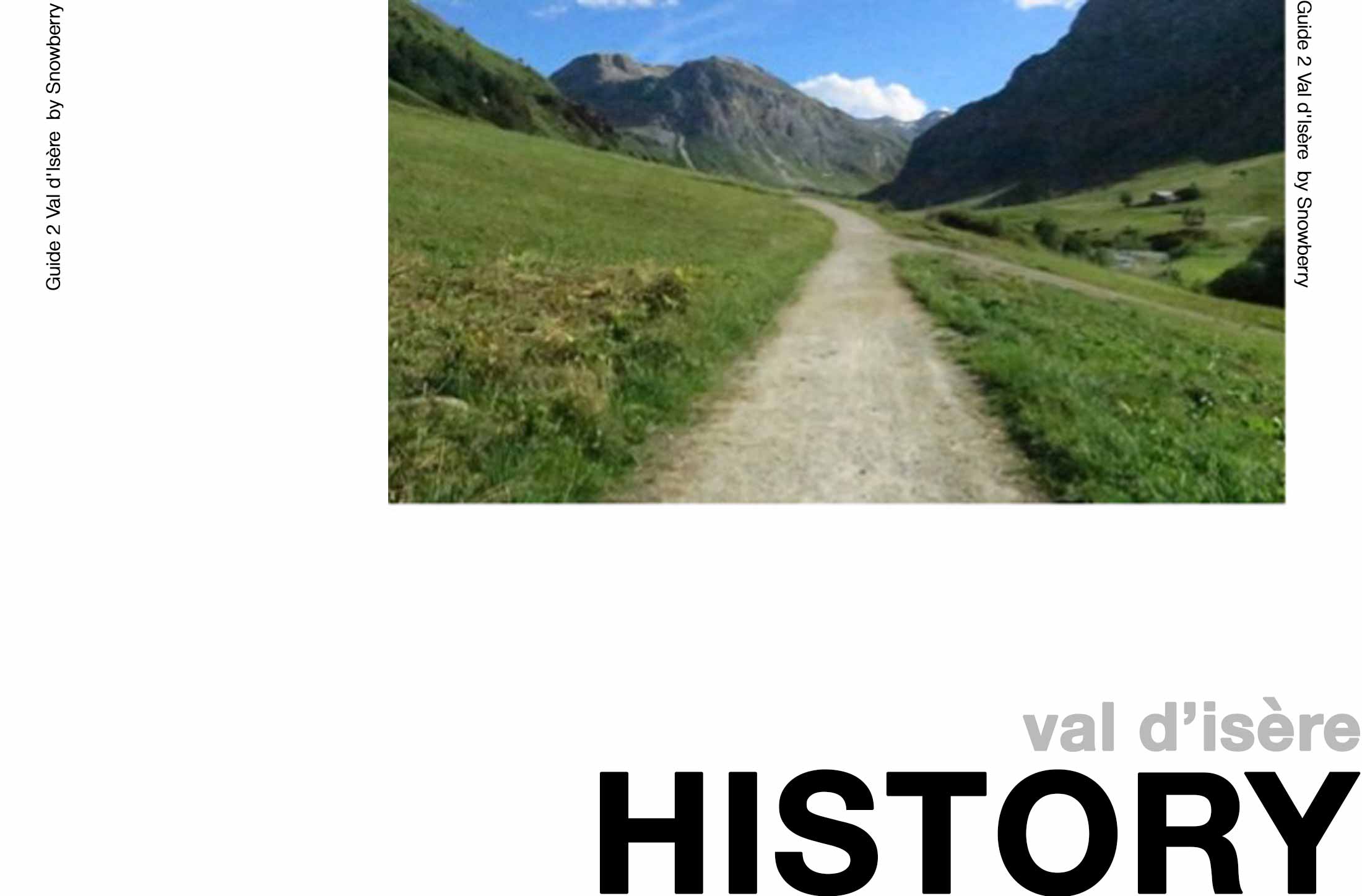
Rather than rebuild on the same dangerous site, they simply moved their entire settlement further up to where Le Fornet stands today. If you walk the summer path you'll still see the remains of the original village and the memorial plaque telling the story.
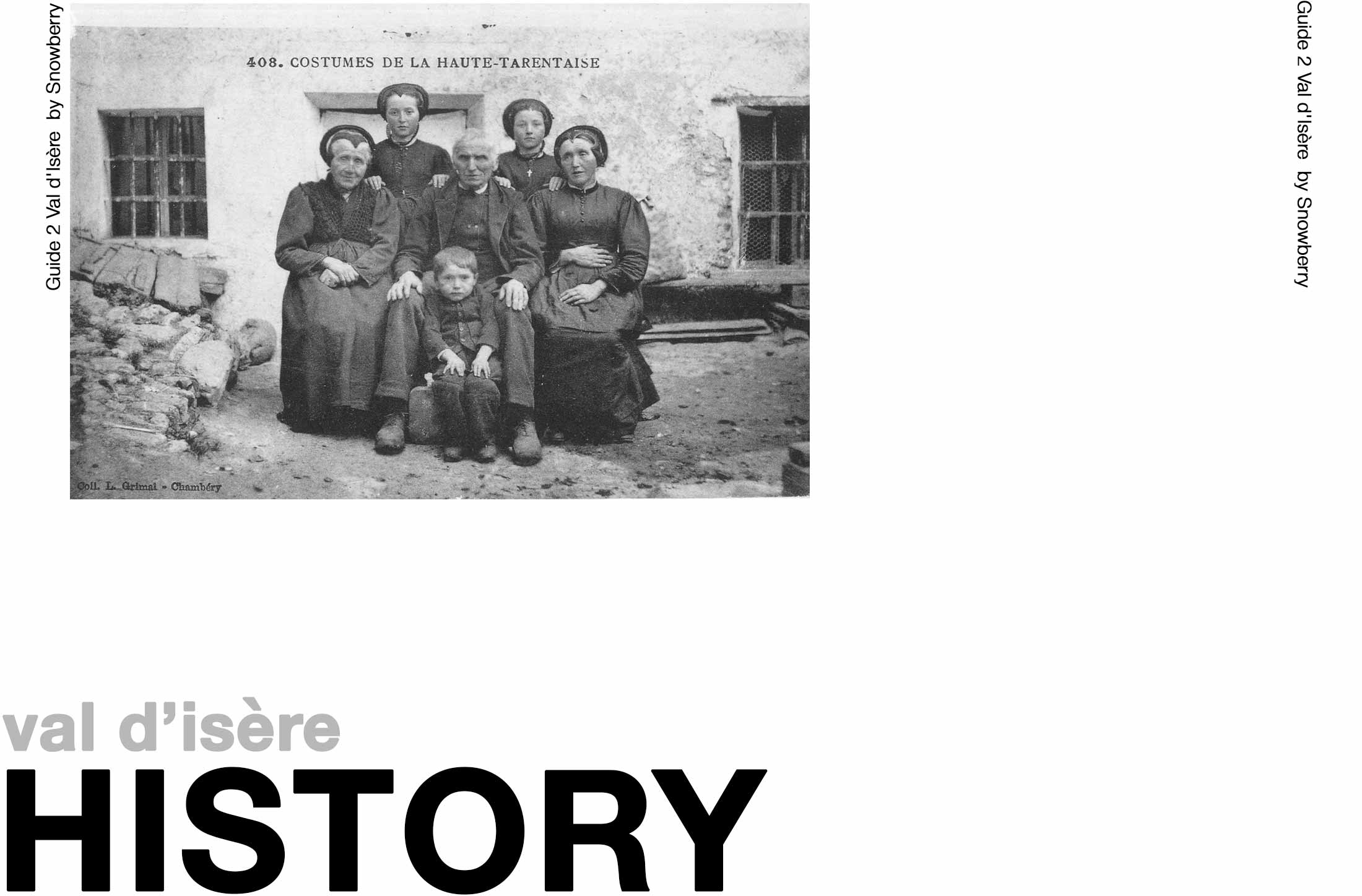
After that, life settled back into its familiar rhythm for another couple of centuries. Families raised cattle, made cheese, cut hay on impossibly steep mountainsides and somehow scraped a living from one of the highest permanently inhabited valleys in the Alps.
The snow came in November and left in May, so for 6 months there was little or no access to the oustide world and they had to be prepared, and self sufficient in every respect. In winter, the livestock lived on the ground floor and the family lived above. For six months they ate what they had managed to stockpile over the summer – mainly cheese, smoked ham and potatoes.
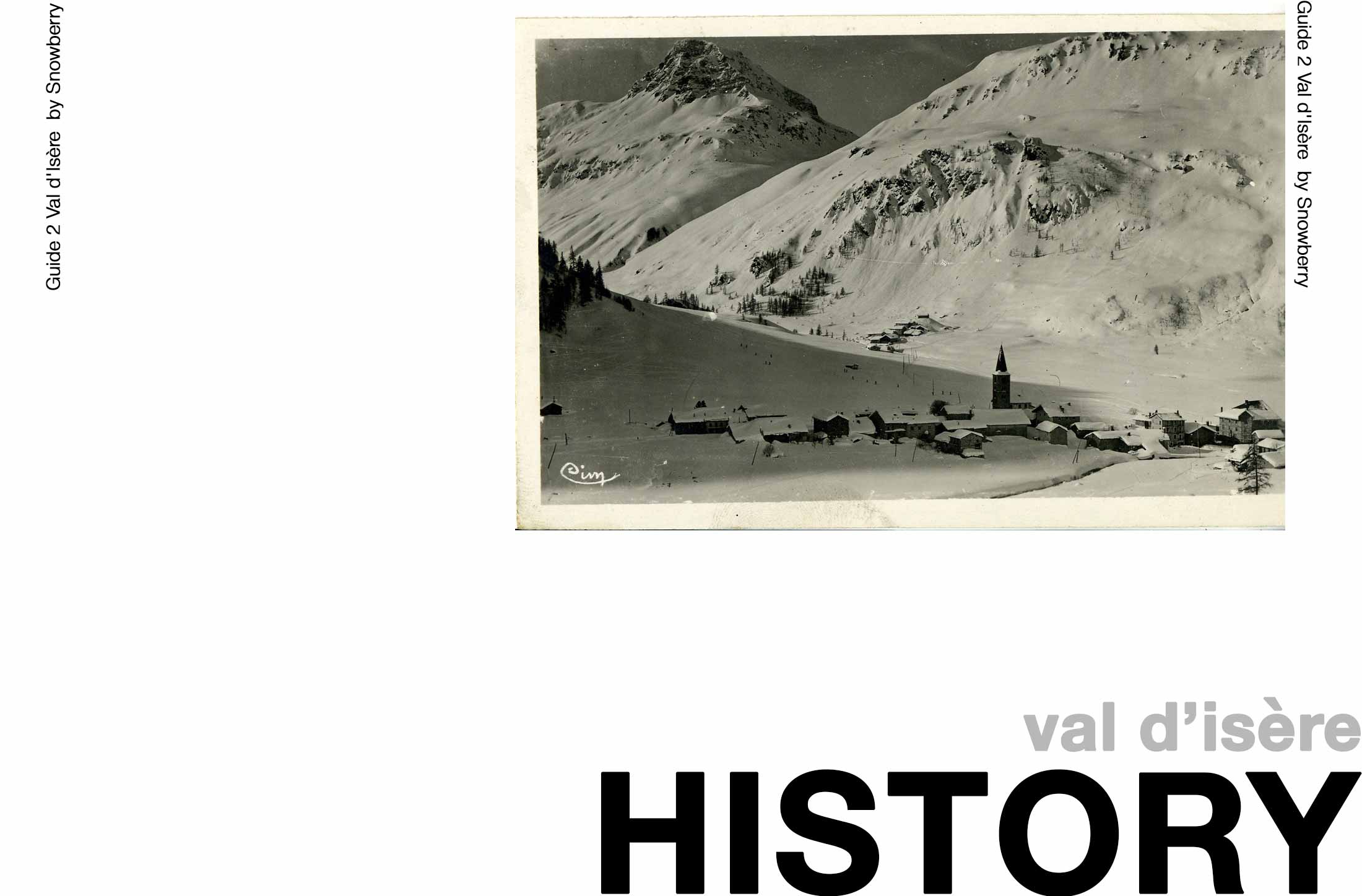
Throughout the 19th century and into the 20th, many of the village's young people had little choice but to leave home every autumn. Once the harvest was over and the cattle were in for the winter, they would head down to Lyon, Grenoble, Paris or wherever they could find work for the winter – the first seasonaires! They took whatever work they could find and returned home in the Spring with their winter wages to help the family through the next year.