A Brief History of Val d'Isère
03.
Olympics and After
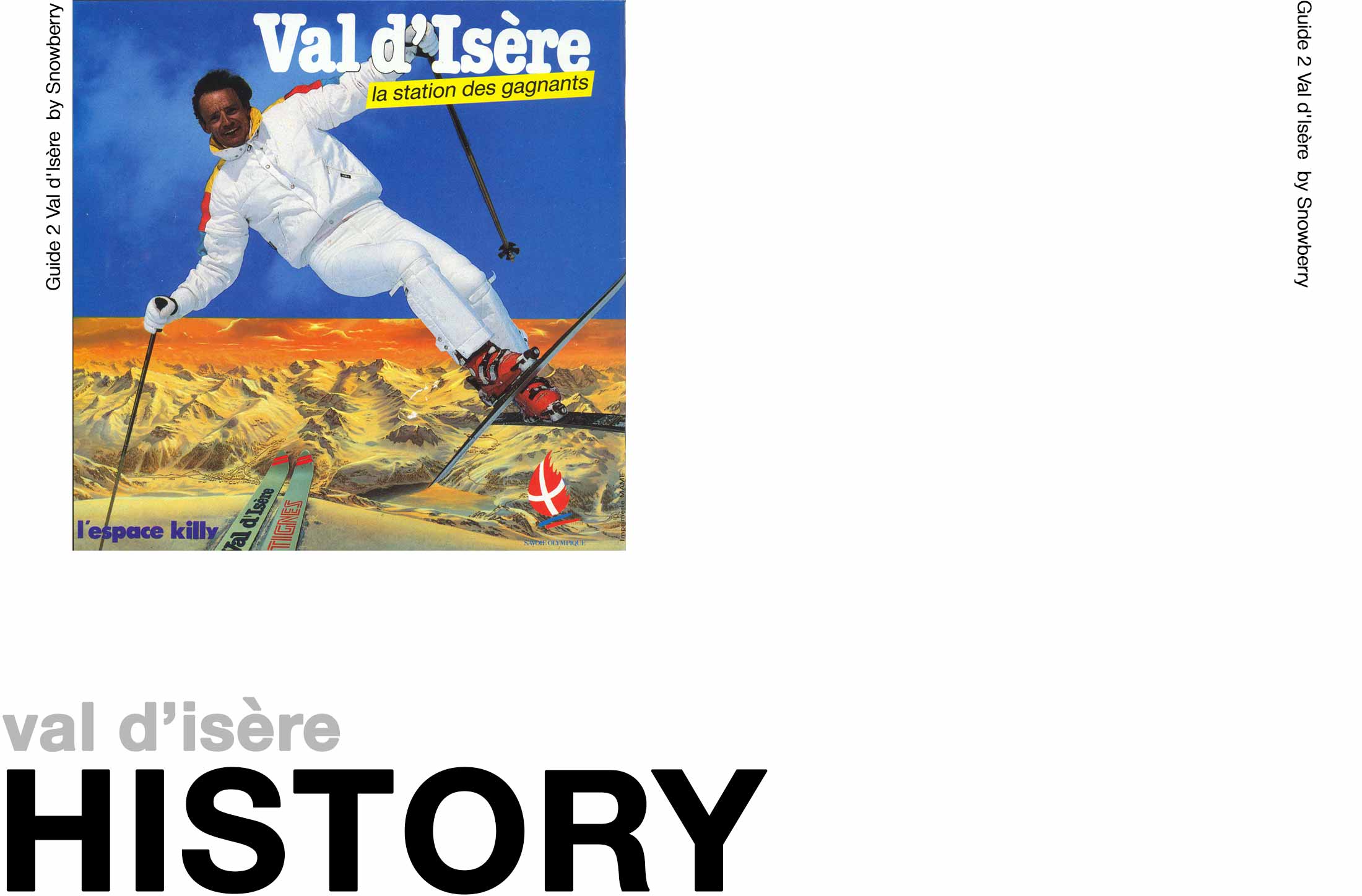
The 1980s were mostly about preparing for the Olympic Games. Jean-Claude Killy was one of the main drivers behind the successful bid to bring the 1992 Winter Olympics to Albertville.
Once Val d’Isère was allocated the flagship men’s and women’s Alpine skiing events, the rest of the decade was spent preparing the town for its biggest ever performance on the world stage.
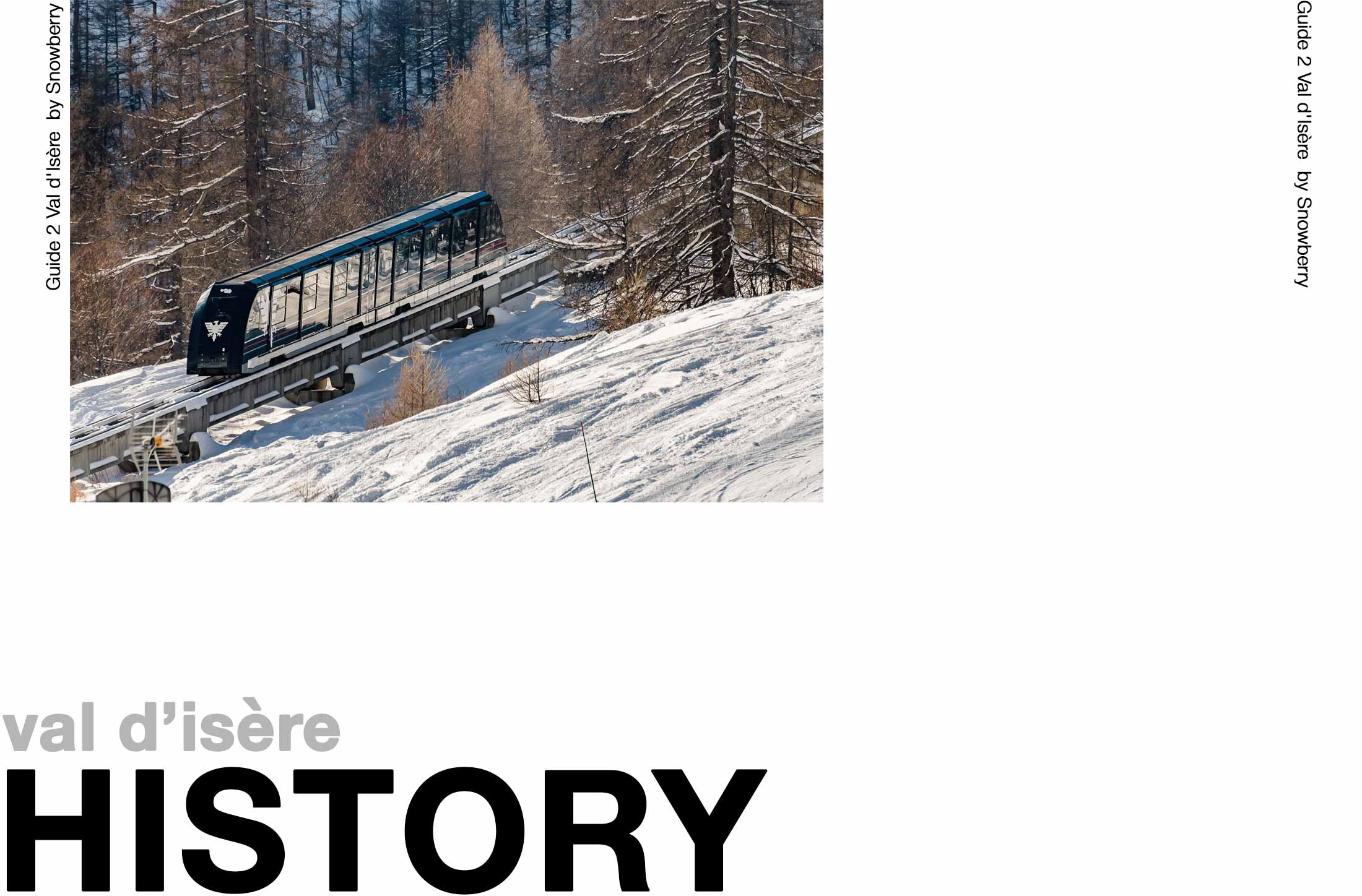
The Funival – France’s first underground mountain funicular – opened in January 1988. The village centre was transformed, with the old buildings replaced by the modern "Val Village" area around what is now the snow square. A tunnel was built underneath the nursery slopes to take the road through to the Rond Point des Pistes area. Many of the post-war buildings were remodelled in a more Savoyard style and planning rules were introduced (still in force today) ensuring that any new builds or major refurbishments used traditional stone and slate with sloping roofs.
Even the face of the mountain itself was changed for the Games. The big events were to take place on the Face de Bellevarde, but the gradient was considered too steep in places, so explosives were used to reshape sections of the piste.
By 1992 everything was ready. The Olympic Games were a huge success and showcased Val d’Isère to a worldwide television audience.
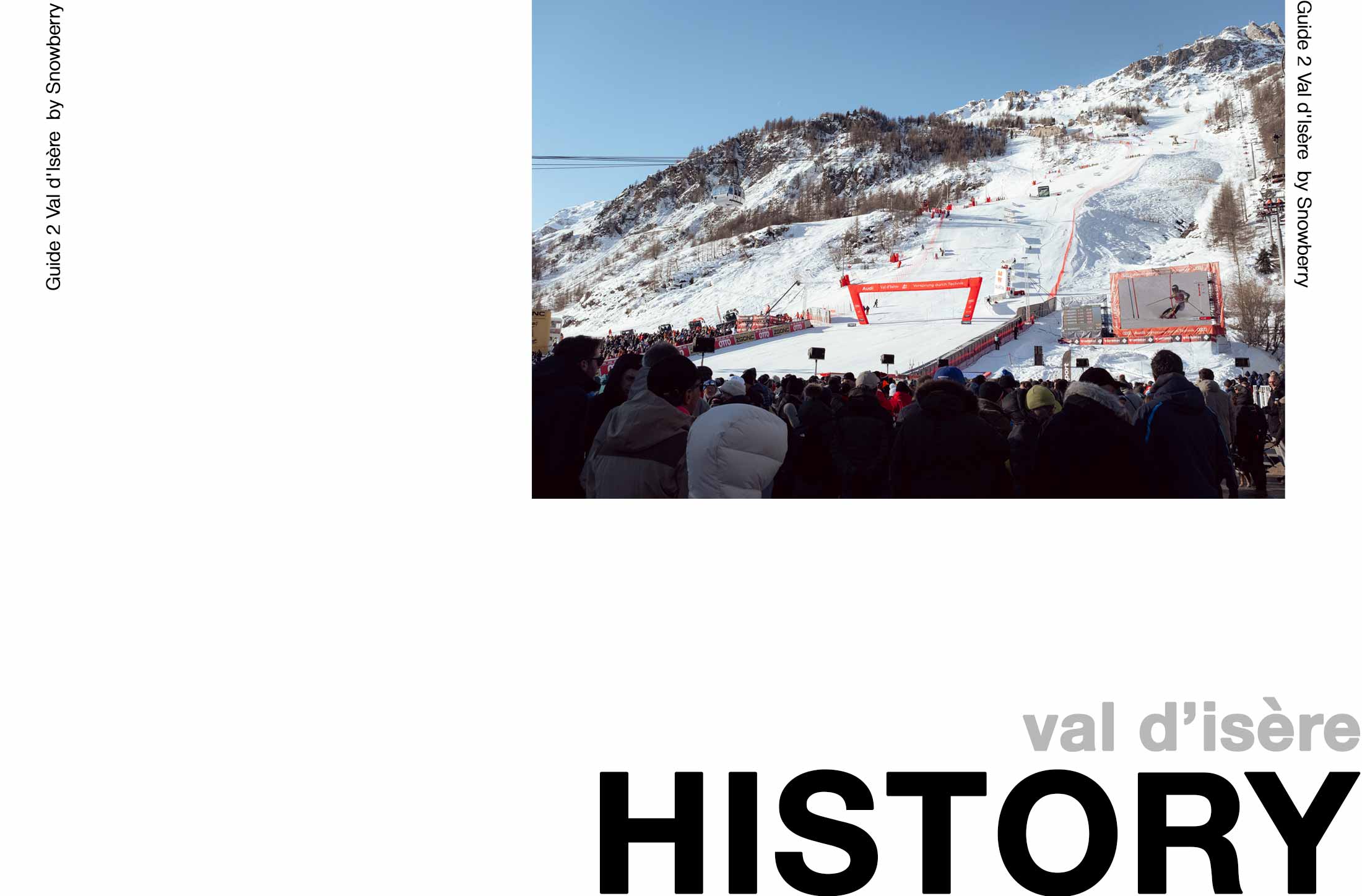
Since then, Val d’Isère has continued to write its own success story.
Back in the 1930s Jean Matter, then president of the French Ski Federation, apparently said “"it is utter madness to build a ski station at Val d'Isère, failure is certain!". You can see his point, a tiny village in the middle of nowhere at the end of a dead end road, impassable in winter – but the locals proved him spectacularly wrong!
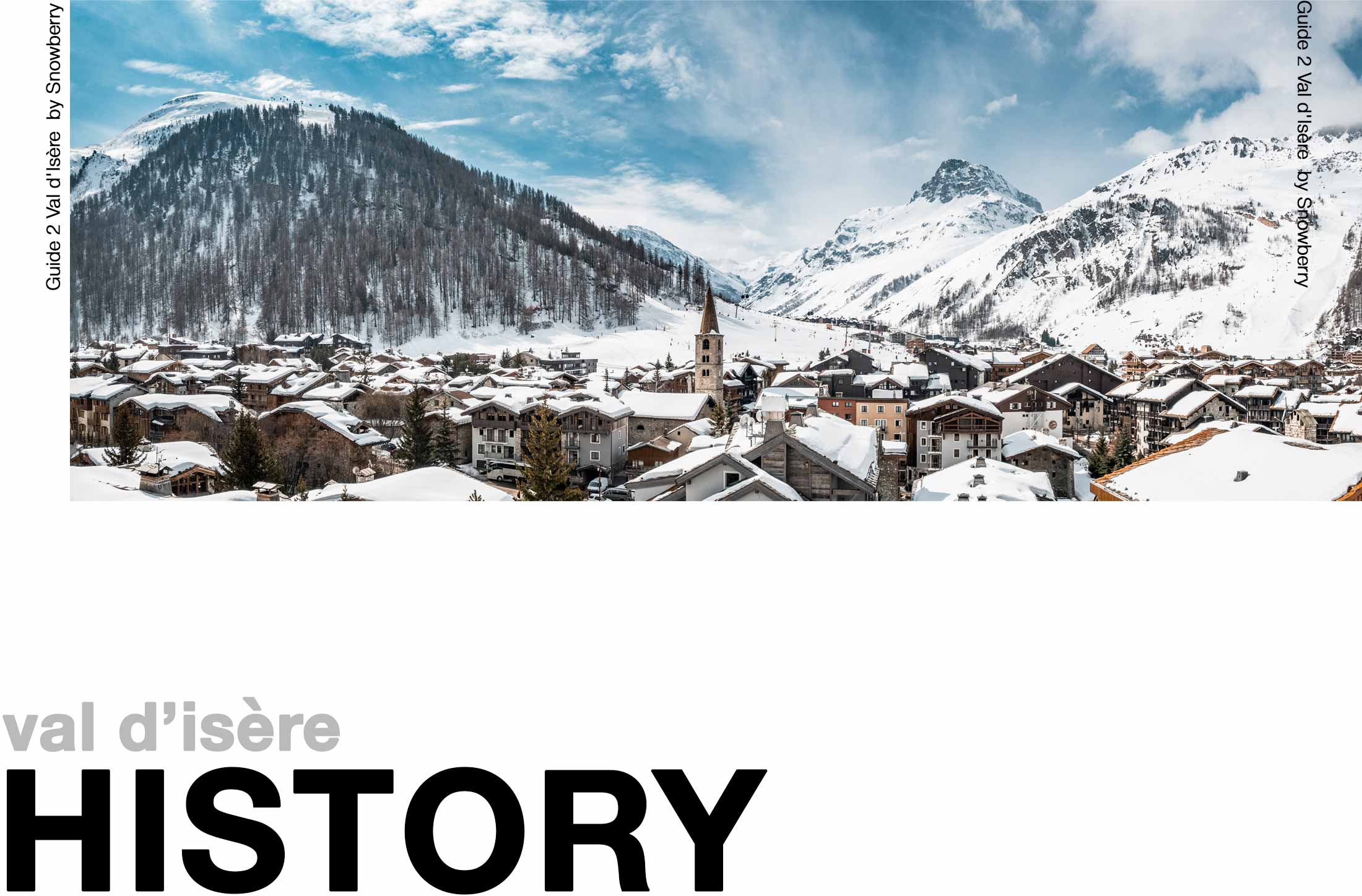
Today well over a million skier-days are recorded here each winter, yet so much of the old village survives. Look behind the modern hotels and 5 star luxury, you can still see some of the old farmhouses where the avalins scraped a living in spite of the apalling winter weather generations ago. The local farmers still take their cows in a procession (it’s quite a spectabcle) up to the high moutain grazing in the early summer and bring them back before the snow comes. The school roll still has Bonnevies, Mattisses and Morises in every class. The locals may have swapped farming for skis but they’re still Avalins to the bone.
Our history is one of the things that makes Val d'Isère so special. It isn't a ski resort pretending to be an Alpine village. It really is an Alpine village that just happens to have grown into one of the world's great ski resorts.
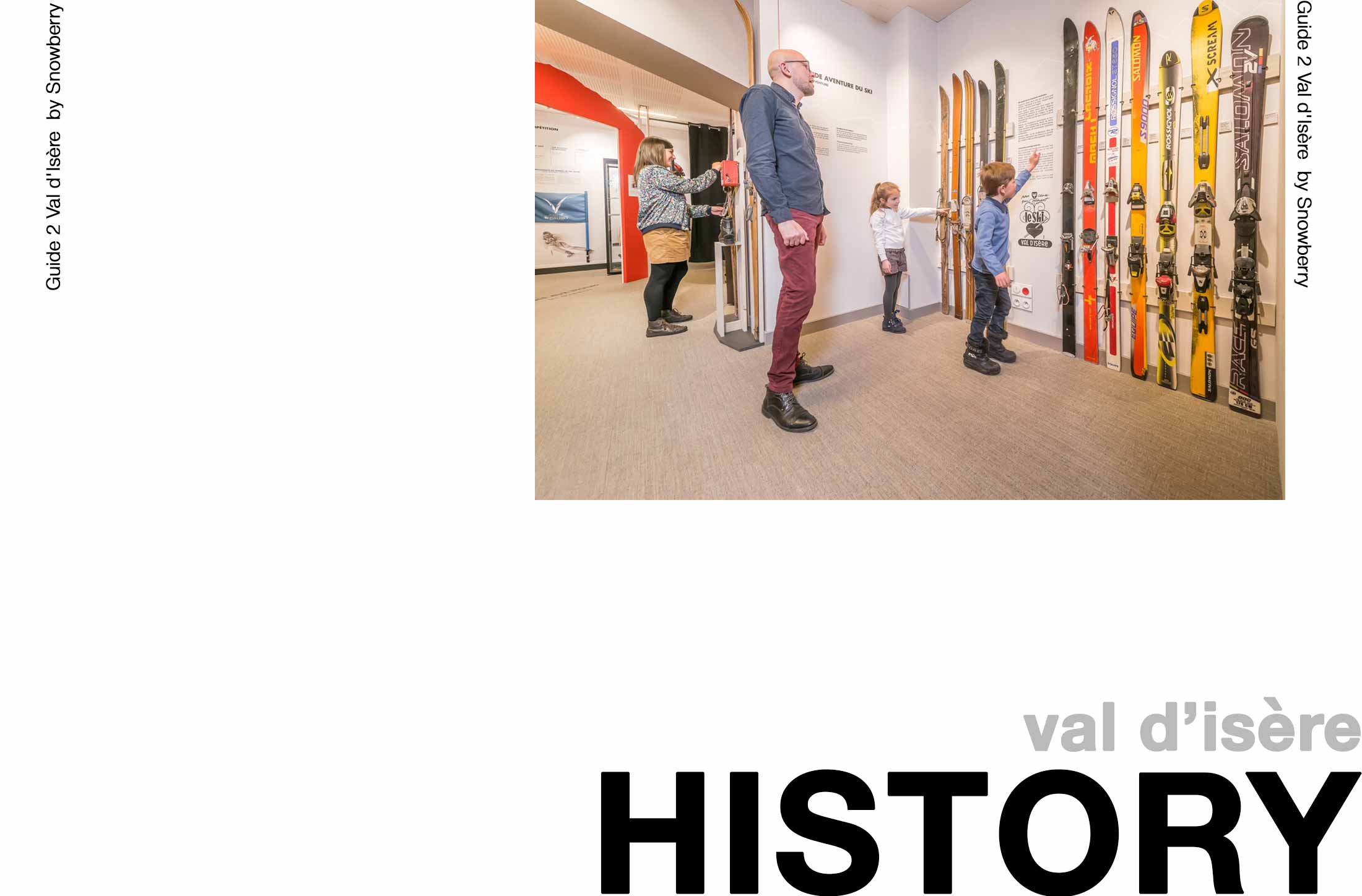
Don't Miss... The Val d'Isère Museum
This article only scratches the surface of Val d'Isère's fascinating history. The village museum, in the Maison de Val next to the swimming pool, is free to visit and is well worth an hour.
Packed with photographs, artefacts and displays, it tells the story of the Avalins, the early days of skiing and how a tiny mountain farming village became one of the world's best-known ski resorts.
And also this